Divergent Reasoning: What Mechanisms Are Behind AI's Generation of Multiple Answers?
This article analyzes the mechanism of AI divergent reasoning, pointing out that it is not random but an expansion of the semantic space. Tezign GEA integrates enterprise data to provide high-quality divergent directions for business decision-making, aiding efficient output.
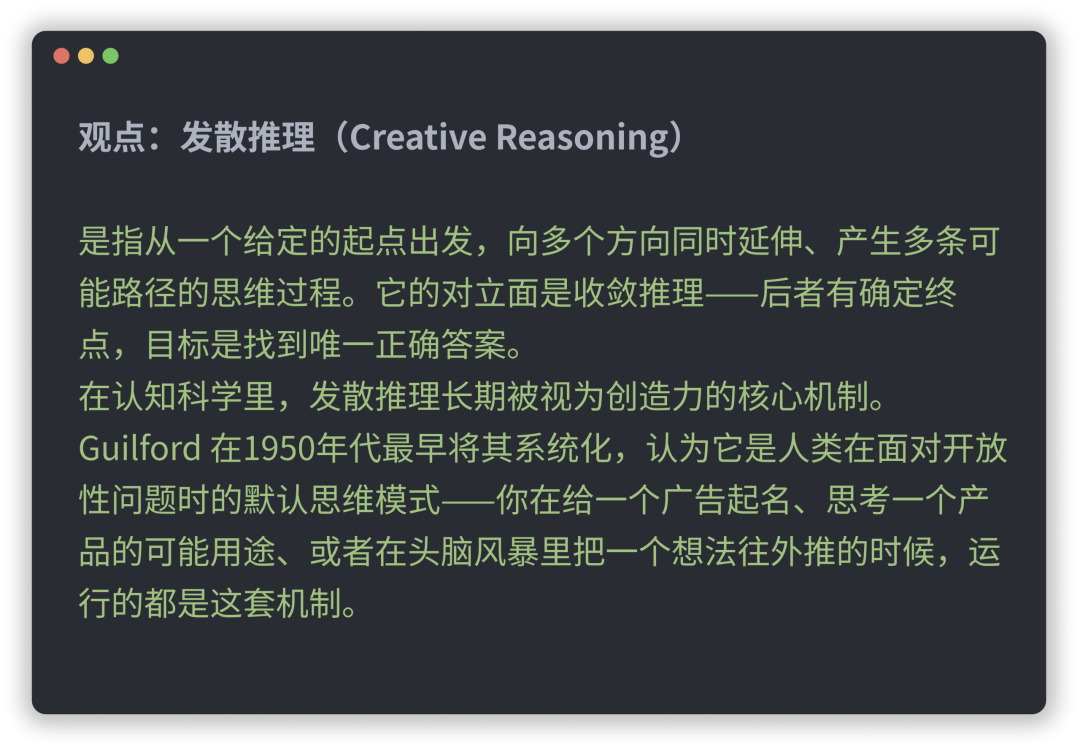
Large language models inherently possess structural characteristics of divergent reasoning when generating text. Each time the model generates a word, it samples from a structured probability distribution. This distribution is not flat; its shape is determined by the semantic relationships between words in the training data. High-probability words represent the most common and contextually expected choices; however, the candidates that follow are not meaningless noise but semantically valid paths that are just not as 'obvious'.
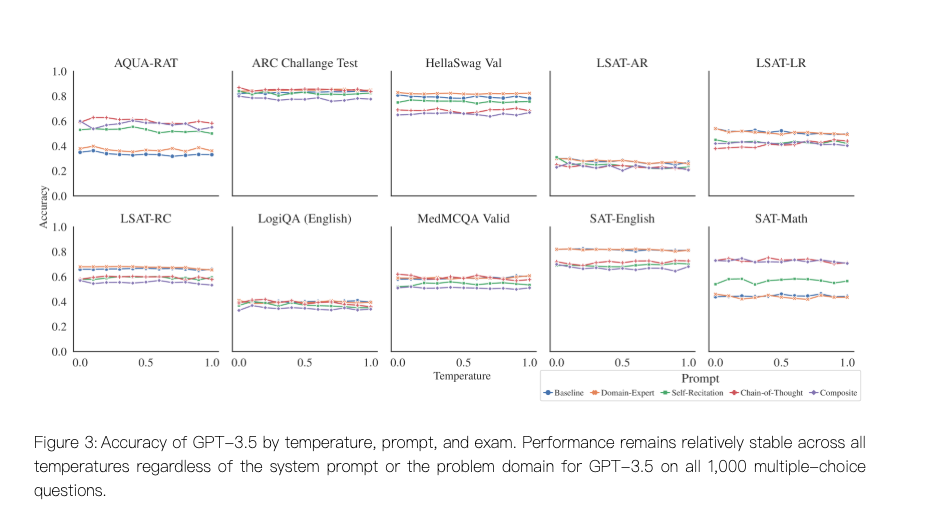
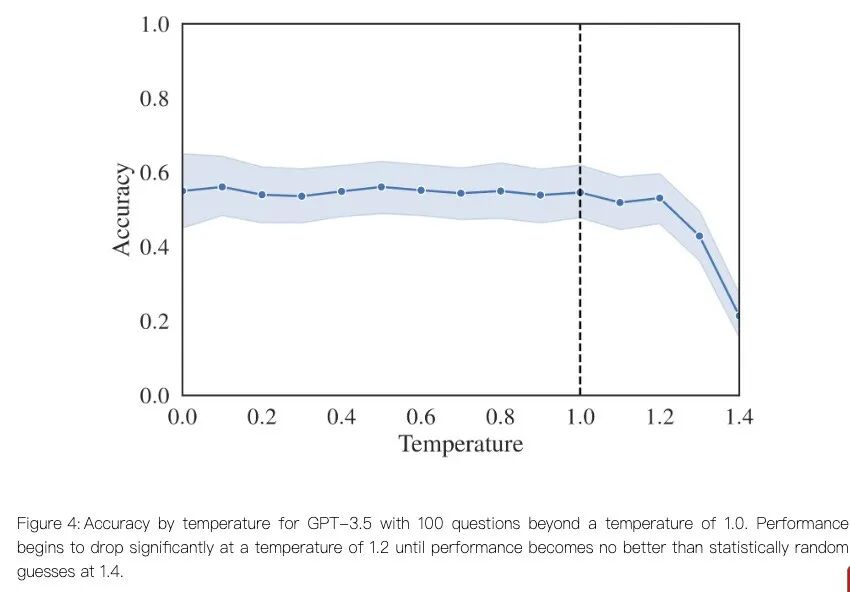
The key parameter controlling this process is called Temperature. When the temperature is low, the model tends to select the highest probability words, resulting in convergent and certain outputs; when the temperature is high, the sampling range expands, and the model will more frequently explore those suboptimal but still reasonable paths, producing diverse and sometimes unexpected outputs. This is why asking the same question three times can yield three different answers.
Divergence is Not Random; This Distinction is Important
A common misunderstanding is that divergent reasoning equals instability, equating it to the model speaking randomly.
It does not. Randomness is drawing lots in an unstructured space; divergent reasoning expands the search range within a structured semantic space. The two differ fundamentally from the outset.
The 'suboptimal paths' the model takes still exist within the semantic associations established by the training corpus. If you ask it to write a poem about loneliness, at a high temperature, it might choose images like 'reef', 'waiting lounge', or 'muted phone', rather than the most obvious 'empty room'—but these choices are not random; they are all semantically valid, just more nuanced and personalized in their expression.
This is also why divergent reasoning is valuable in creative work: it allows the model to reach those places that are 'not the first thought but equally valid.'
From an Individual's Brain to an Enterprise's Knowledge System
Understanding how divergent reasoning operates at the individual level is one thing; enabling it to truly create value in enterprise decision-making is another.
The core difference lies in context. The quality of a human expert's divergent reasoning depends on what they have accumulated in their mind—industry experience, user observations, competitive insights. The richer and more authentic these elements are, the more grounded the directions they propose will be, rather than just 'sounding reasonable.'
Large models face the same issue with divergent reasoning. General models lack your user data, your brand history, and your industry accumulation. They can diverge, but the directions they produce lack the unique calibration of the enterprise.
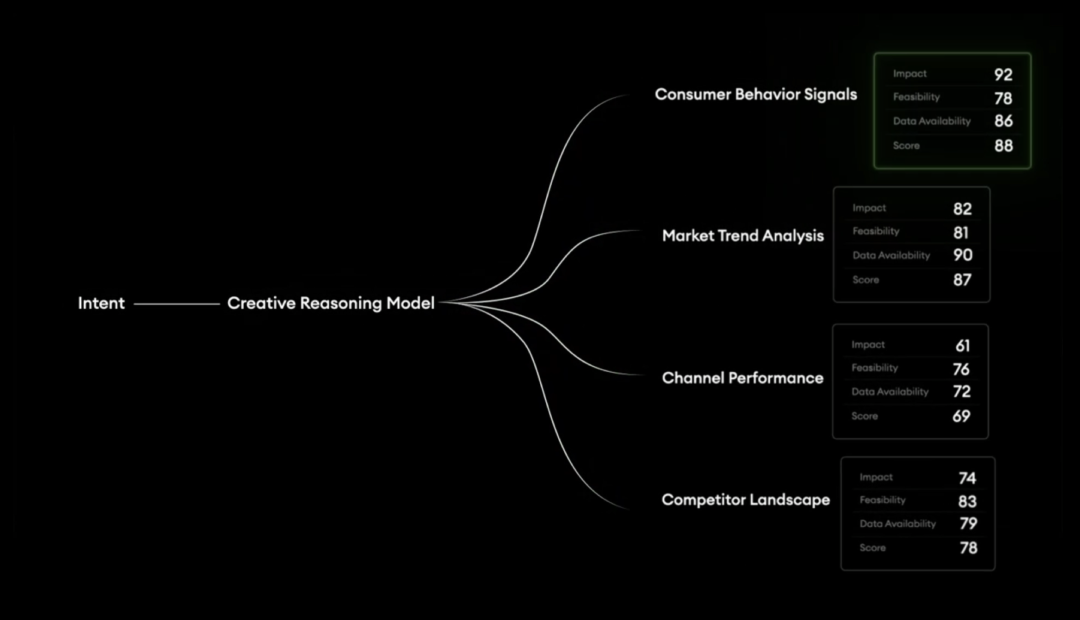
GEA (Generative Enterprise Agent) addresses this gap. When an enterprise's user data, historical research, and competitive signals are integrated into the system's context, the starting point for divergent reasoning is no longer a general semantic space but a structured space enriched with the enterprise's cognitive accumulation. From this starting point, the directions the model can take are truly valuable for business decision-making.
Divergent reasoning itself is not scarce; what is scarce is the 'context' that gives divergence quality
Divergent reasoning is one of the underlying mechanisms of AI generation capabilities, but whether it can create value in real enterprise decisions depends on the quality of the input—who the users are, where the data comes from, and where historical judgments are accumulated.
General models wander in the language space, while enterprise agents diverge in a cognitive space anchored by business points. The former produces possibilities, while the latter yields actionable directions.
If you are conducting product research or making creative decisions, is the context you are currently providing to AI sufficient?
We welcome you to discuss with us.

Category
In-depth Report
Date
2026-05-14
Read Time
3 min read
Share Page
Related Recommendations

After becoming AI-Native: What Comes Next? On Brands and Good Taste in This Era

Context System: How to Enable AI to Learn from 'Big Data' to Enterprise 'Proprietary Knowledge'?