Progressive Disclosure Mechanism: Making Enterprise Knowledge a Context That Can Be Called and Reasoned by Agents
Progressive disclosure is a context scheduling mechanism for enterprise agents that allows enterprise knowledge to enter reasoning on demand through hierarchical long and short memory and dynamic routing, enhancing the stability and decision consistency of LLMs.
Why Enterprise-Level Agents Need a Context Mechanism of “Progressive Disclosure”
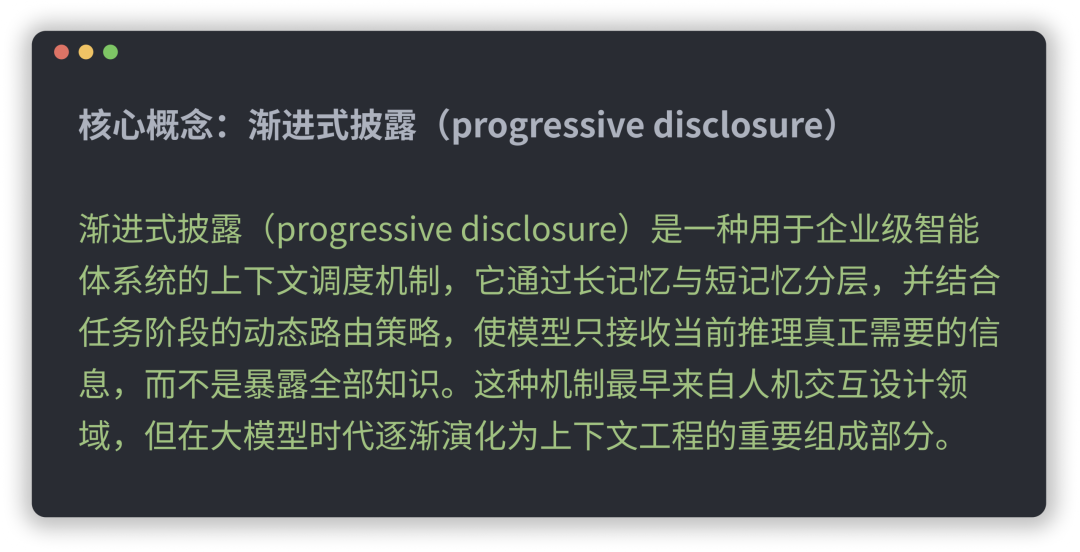
Progressive disclosure is a context scheduling mechanism used in enterprise-level agent systems. It layers long and short memory and combines dynamic routing strategies based on task phases, allowing the model to receive only the information truly needed for current reasoning, rather than exposing all knowledge. This mechanism originated from the field of human-computer interaction design but has gradually evolved into an important component of context engineering in the era of large models. As agent systems enter real business processes, enterprise knowledge is no longer just retrieval material but becomes part of the reasoning structure. The Context System was proposed in this context, allowing enterprise knowledge to continuously participate in the judgment process through context compression and progressive disclosure, rather than being input into the model all at once.
Progressive Disclosure Addresses Not Capacity Issues, but Reasoning Stability Issues
Many teams initially simplify the context engineering problem to window length. However, engineering practice quickly reveals that more context is not always better.
Lewis et al. have demonstrated in their research on Retrieval-Augmented Generation that when too much retrieval information is provided, the stability of model outputs actually decreases (Lewis et al., 2020). Subsequent works like RETRO (DeepMind, 2022) and LongMem (Wang et al., 2023) further proposed hierarchical memory structures that allow models to selectively call knowledge during reasoning rather than loading all content at once.
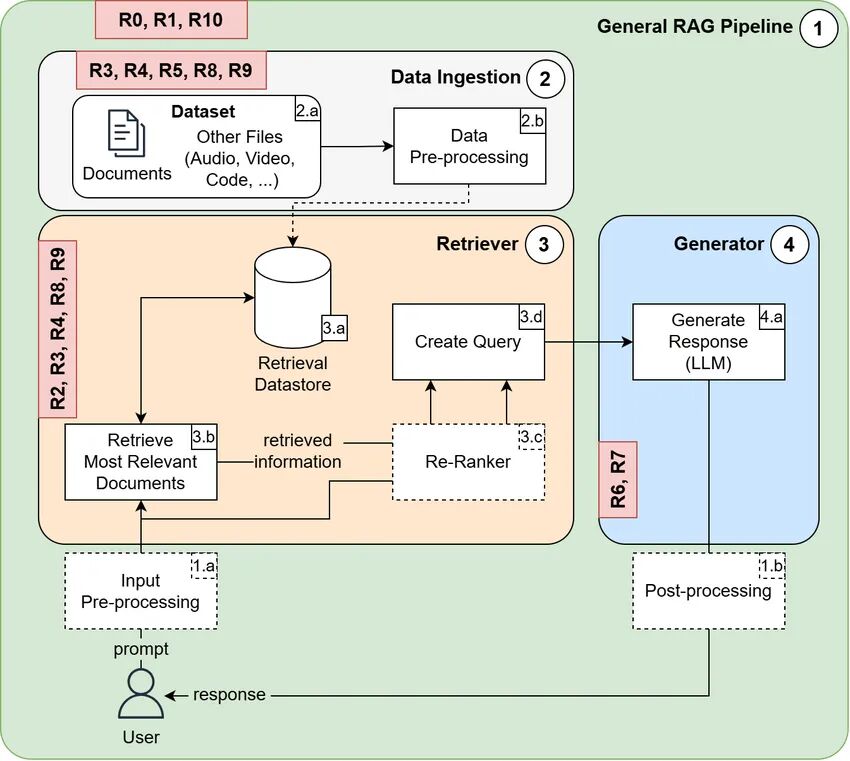
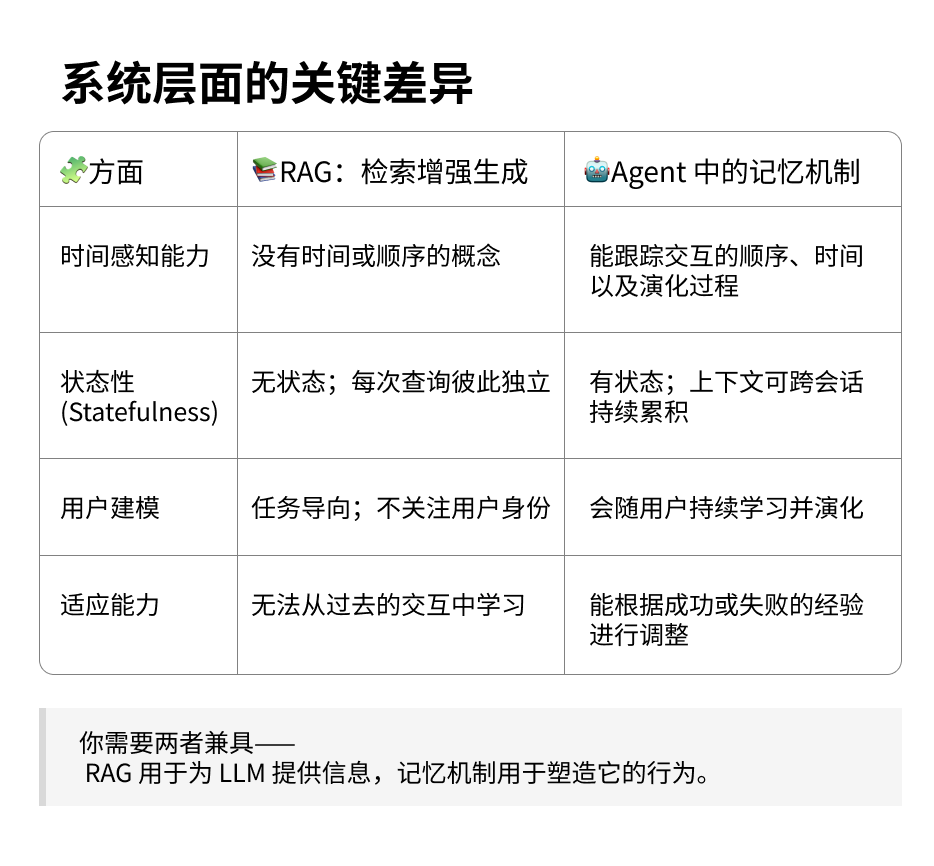
*RAG models enhance generative capabilities by retrieving external knowledge, but knowledge still enters the reasoning process in a one-time injection manner.
Source: Lewis et al., 2020 Retrieval-Augmented Generation for Knowledge-Intensive NLP Tasks
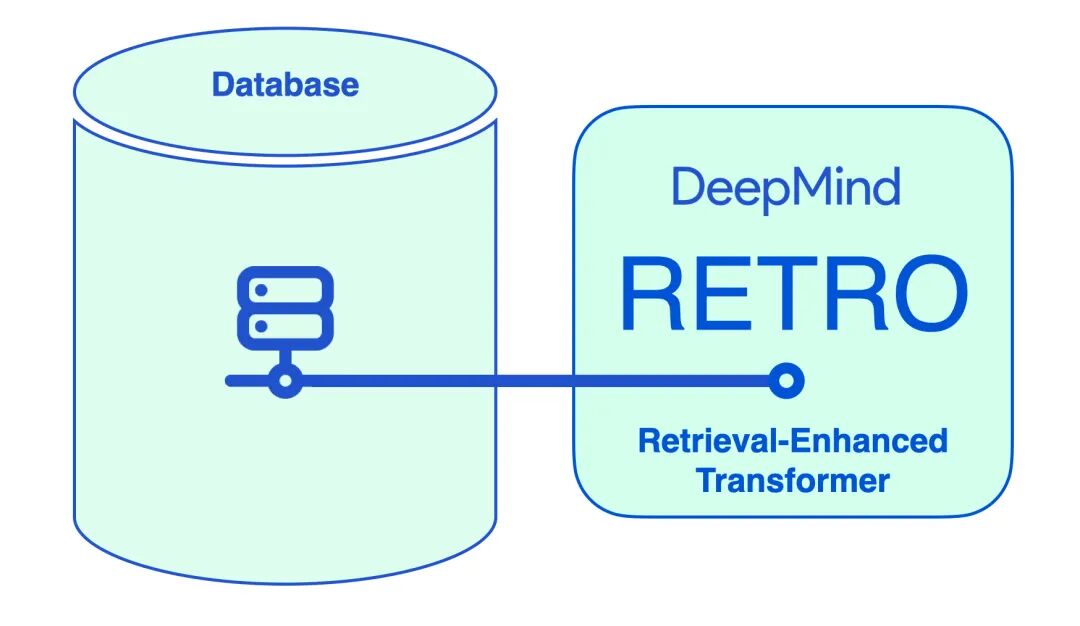
*The RETRO model retrieves knowledge in stages, allowing information to gradually enter the context according to the reasoning process, rather than loading all content at once.
Source: DeepMind, 2022 Improving Language Models by Retrieving from Trillions of Tokens
Progressive disclosure is the implementation of this idea in enterprise agent systems.
The system retains complete knowledge as long-term context while constructing a short-term context window around the current task, keeping the reasoning process continuous and controllable. When context becomes a dynamic variable rather than a static input, the model truly gains the ability to enter complex business processes.
Context Becomes a Dispatchable Reasoning Structure for the First Time
Traditional knowledge systems typically have only two roles:
Storage
Retrieval
But agent systems require a third capability:
Dispatch
The key to the progressive disclosure mechanism is not retrieval, but deciding which information enters the reasoning path. In other words, it changes not the source of information, but the visibility of information.
In the Tezign GEA architecture, the Context System dynamically combines context based on task needs, with long memory responsible for retaining complete knowledge and short memory responsible for the current task, allowing the model to receive only the necessary information.
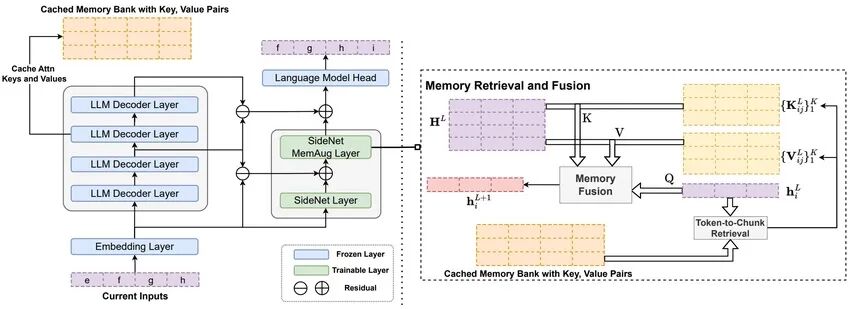
*LongMem works by coordinating long-term memory with short-term context, enabling the model to dynamically call knowledge according to task phases.
This means that context is no longer just supporting answers but participating in task advancement.
In the agent architecture, this mechanism typically serves three functions:
Reducing noise interference
Lowering reasoning costs
Improving decision consistency
Thus, it is closer to reasoning-time orchestration rather than retrieval enhancement.
Enterprise Knowledge Must Be Exposed in Stages, Not Loaded All at Once
Enterprise knowledge inherently has a hierarchical structure.
Brand guidelines belong to long-term stable context
Project briefs belong to phase context
Channel rules belong to execution context
If this information enters the model simultaneously, it can easily lead to conflicts or even misalignment. The Context System's approach is to break this knowledge into different levels and gradually release it during task advancement. For example, in brand design scenarios, each generated result will flow back into the system and become the starting point for the next round of design, allowing historical assets to continuously participate in subsequent judgments.
Similar mechanisms also exist in product innovation processes. The system first integrates industry signals, user feedback, and internal data through the Memory Builder, and then cross-validates to filter the directions that truly enter the innovation process, rather than allowing all information to participate in decision-making simultaneously.
The significance of progressive disclosure lies in allowing knowledge to enter the process rather than remaining in the repository.
Progressive Disclosure is Becoming a Fundamental Capability of Enterprise Context Systems
As model capabilities gradually converge, the factors that truly differentiate enterprises are beginning to change. In the past, systems competed on generative capabilities; now they compete on context structural capabilities.
Traditional DAM addresses asset storage issues
Knowledge bases address retrieval issues
RAG addresses answer accuracy issues
Whereas the progressive disclosure mechanism addresses how context enters the reasoning path.
In the GEA architecture, the Context System is not a content repository but a long-term memory layer for agents, enabling the model to operate continuously around goals rather than generating answers around problems.
In enterprise-level agent systems, the progressive disclosure mechanism determines how context enters the reasoning path, rather than being retrieved as static knowledge. It allows context to become a dispatchable reasoning structure for the first time, which is also the key reason why the Context System can form long-term system capability differences.
Activity Recommendations


Category
In-depth Report
Date
2026-04-07
Read Time
4 min read
Share Page
Related Recommendations

After becoming AI-Native: What Comes Next? On Brands and Good Taste in This Era

Context System: How to Enable AI to Learn from 'Big Data' to Enterprise 'Proprietary Knowledge'?