Media & Press
Quantum Bit | Enterprises Need Two World Models for AI
Fan Ling from Tezign proposed that enterprises need two sets of world models for AI: a subjective model to understand customers and an enterprise model to consolidate organizational knowledge, relying on long-range intelligent agents to operate in a closed loop, helping enterprises build sovereign intelligence.
Category
Media & Press
Date
2026-10-23
Read Time
9 min read
A somewhat counterintuitive reality is:
AI has been widely used in enterprises, but the productivity of many companies has not significantly increased as a result.
In the 2025 Enterprise Generative AI Report released by MIT NANDA, there is a set of numbers that are often viewed together:
Among the surveyed enterprises, 95% of the generative AI pilots did not bring measurable profit and loss returns; meanwhile, over 90% of employees in these enterprises are already using personal AI tools for work, but only 40% of companies have actually purchased official enterprise subscriptions.
The underlying issue behind these numbers is actually the same:
AI is being used, but it is stuck at the personal level.
So what enterprises are facing today is no longer the question of “whether to adopt AI,” but a more difficult question:
After adoption, what exactly should enterprises accumulate to truly make AI a productivity tool?
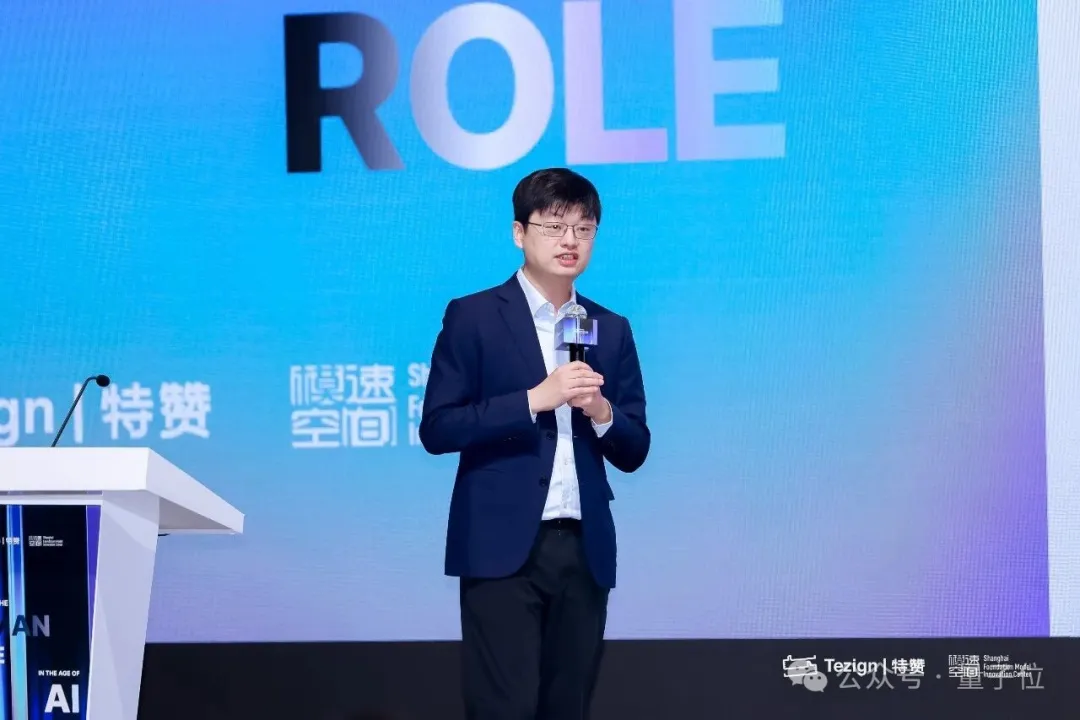
This morning, at the WTCC forum in Shanghai West Bank, Tezign founder Fan Ling provided the answer:
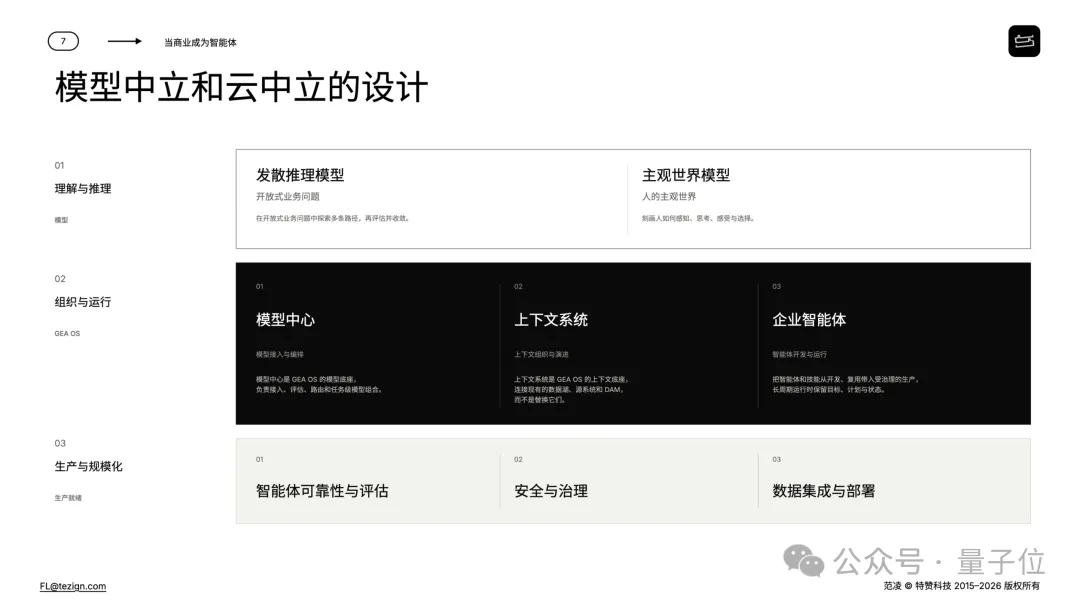
What enterprises ultimately need to supplement is not a stronger model, but two world models.
First Understand the Customer, Then Understand the Company
The term “world model” simply means whether a system can answer: If I do this, what will happen next.
In the context of enterprises, this question has at least two directions:
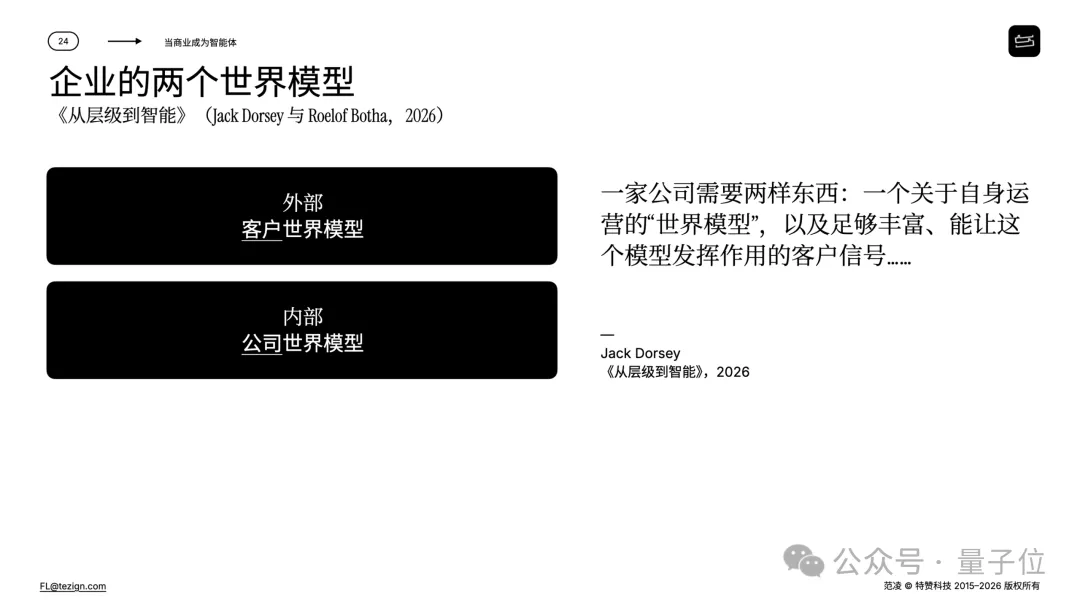
One outward, to understand the customer. Why do customers prefer a certain choice, what would make them change their mind, and what kind of expressions and products are more easily accepted. At this level, Tezign referred to it at the forum as the “customer world model,” which is later more commonly referred to in materials as the subjective world model.
One inward, to understand the company. After a decision enters the enterprise, what processes it goes through, what resources, rules, and collaborative relationships affect it, and whether it can truly be implemented. This part is closer to the enterprise world model.
Both seem to answer the question of “how to make decisions,” but they are fundamentally different.
The subjective world model of “understanding the customer” deals with subjective preferences, motivations, and choices, relying on external user data;
The enterprise world model of “understanding the company” deals with processes, assets, rules, and tacit knowledge, relying on the long-term accumulated context within the organization.
Regarding the subjective world model, Quantum Bit has already provided a detailed explanation previously, so we will not elaborate further here.
Because the data sources, update rhythms, and responsibilities of these two sets are different, they are difficult to be crudely merged into a single large model.
When combined, it often does not result in a stronger model, but rather dulls both sides; missing either side will immediately expose the problem:
- With only the enterprise world model, the intelligent agent knows what should be done but does not know whether it is worth doing, which may ultimately lead to efficiently achieving a wrong goal.
- With only the customer world model, the intelligent agent can understand the demand but fails to deliver it within the organization, ultimately becoming understanding the demand but unable to produce it.
Therefore, this is not a matter of “having one more model is safer,” but rather that the enterprise intelligent agent architecture is inherently missing two completely different components.
The Most Valuable Knowledge in Enterprises is Often Not Documented
If the customer world model is closer to external perception, then the most challenging aspect of the enterprise world model is actually the identification, organization, and utilization of internal knowledge.
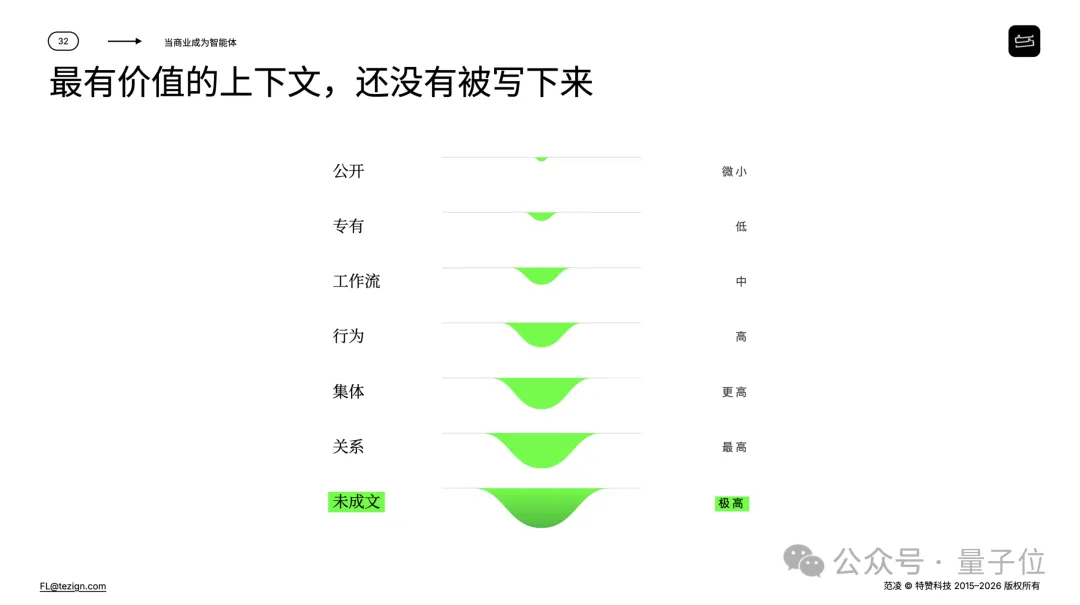
Because the most valuable things in an organization are often not documented.
Tezign categorized enterprise knowledge into two types at the forum:
- One type is explicit knowledge, which can be written into manuals, processes, and systems, aiming for higher, faster, and more accurate results;
- The other type is tacit knowledge, such as taste, judgment, boundary sense, experience, and relationships, which cannot be fully expressed and can only gradually develop in specific projects and collaborations.
This also explains why “feeding all documents to AI” does not equal “AI understands the enterprise.”
In fact, many enterprises are already trying to build their own contextual systems based on model capabilities.
However, whether the context is well-built may not yet have a unified judgment standard.
The contextual system that enterprises truly need must at least meet several conditions:
- It does not replace existing systems but connects existing data lakes, business systems, and asset systems;
- It is not knowledge for humans to read, but structured objects and relationships that can be called by intelligent agents;
- It is not a one-time delivery but can leave a basis for review after each judgment, so similar issues do not have to start from scratch next time.
In summary: What intelligent agents call upon is not data, but context.
Expert Judgment is Becoming Training Data
If the enterprise world model addresses internal context, another ongoing change is that expert judgment is starting to enter training data.
This is not a third world model, nor is it equivalent to the customer world model.
It is more like a shared foundational capability beneath the two world models.
According to disclosures from the forum and related technical materials, Tezign has introduced a large number of experts from different fields to participate in the collection and annotation of real judgment processes, allowing training signals to no longer rely solely on general data but to begin incorporating judgment paths within the business context (Creative Trajectory). Meanwhile, some partner institutions are also advancing research in a similar direction, with the accumulation of related judgment paths reaching ten thousand levels.
Why is this important?
Because the most valuable knowledge in enterprises, such as judgment standards, trade-off logic, and risk sensitivity, is not available on the internet or in general models.
They originally existed only between people, projects, and files.
What is being done now is actually turning these originally difficult-to-preserve judgment processes into an accumulable asset.
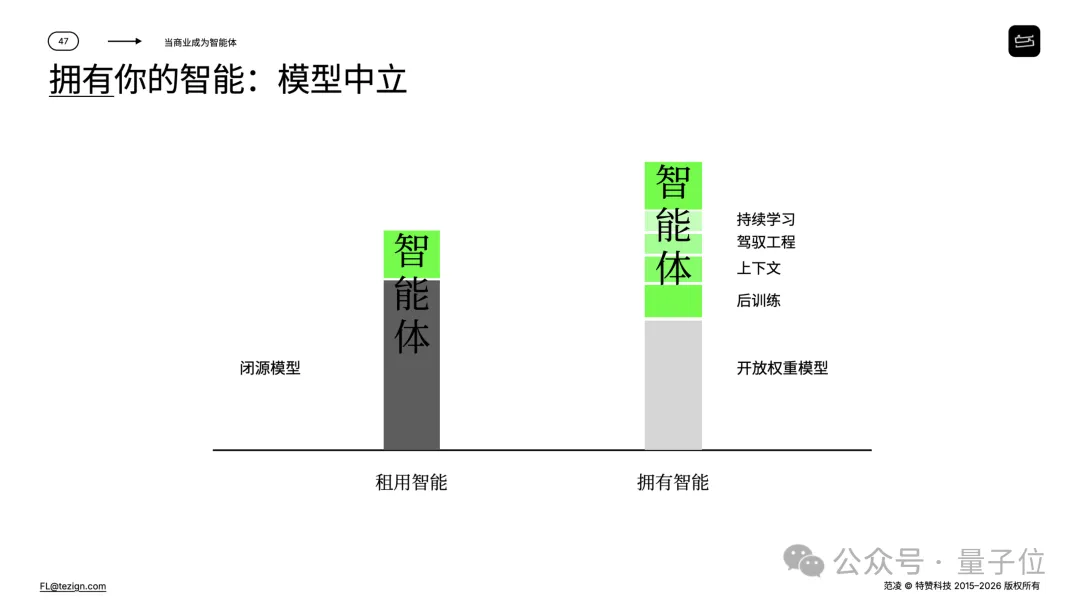
Thus, the path ultimately leads not only to “models understanding business better” but also to a clear direction for enterprise AI evolution:
From “renting intelligence” to “sovereign intelligence.”
The Real Challenge is Not Whether the Answer is Right, but Whether It Resembles This Company
Finally, there remains an unavoidable question: how to evaluate?
General benchmarks measure whether the model can answer standard answers.
But in enterprise scenarios, the more important question is often not “whether it is right,” but: Is it done in the way this company would do it?
A company's brand boundaries, a team's selection logic, a manager's risk tolerance range, these are not in the public evaluation sets, nor in the default values of general models.
Therefore, the real value of business vertical benchmarks lies not in scoring the model but in turning the organization's judgment standards into a test set that can be continuously revisited, compared, and corrected.
Once this exists, the changes in capabilities brought about by model upgrades, process adjustments, and team changes do not have to rely on “feeling better” to judge.
In this regard, Tezign's team mentioned a very typical calibration method:
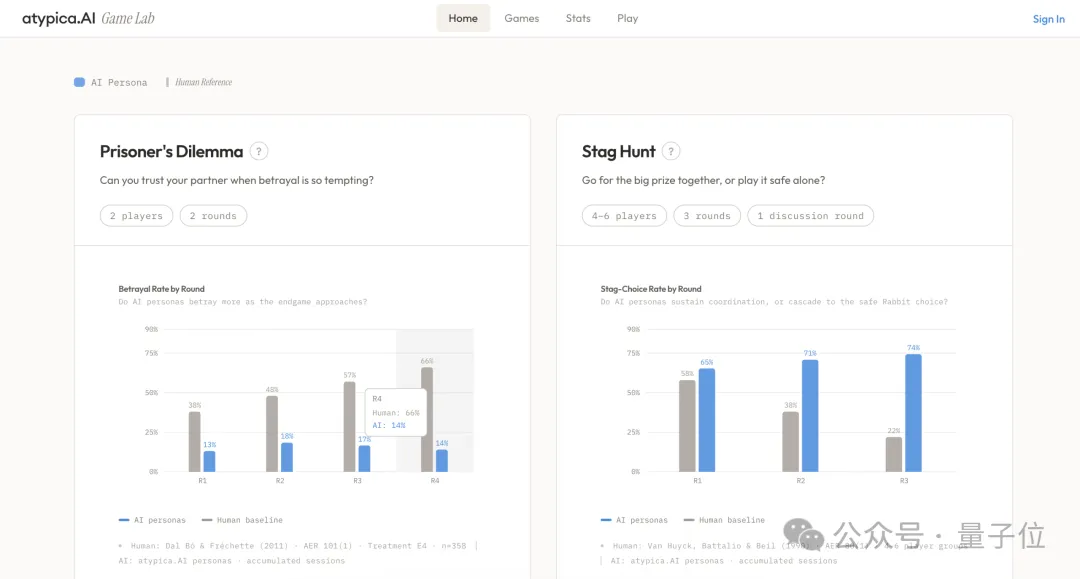
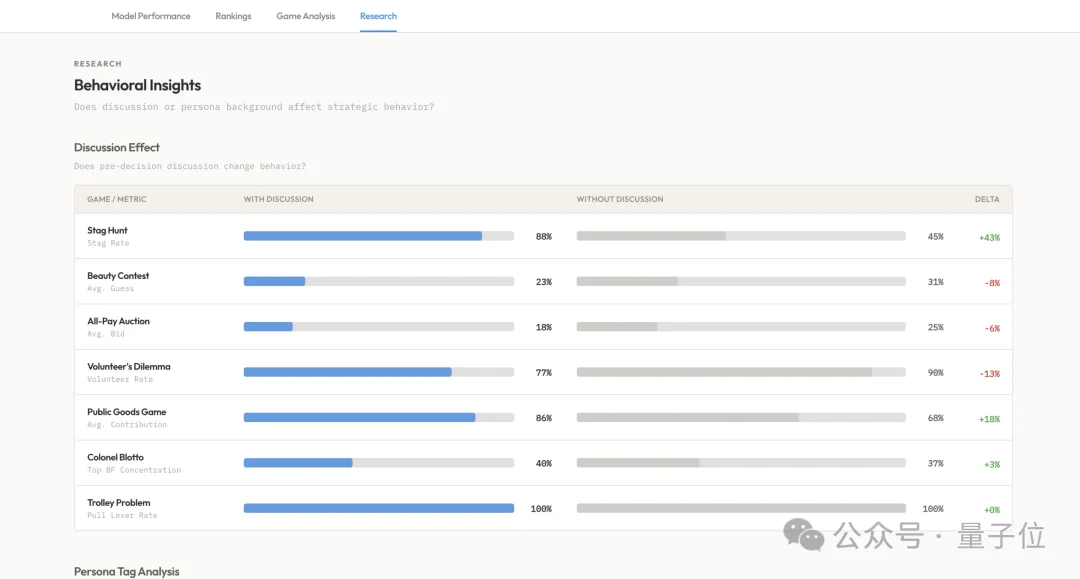
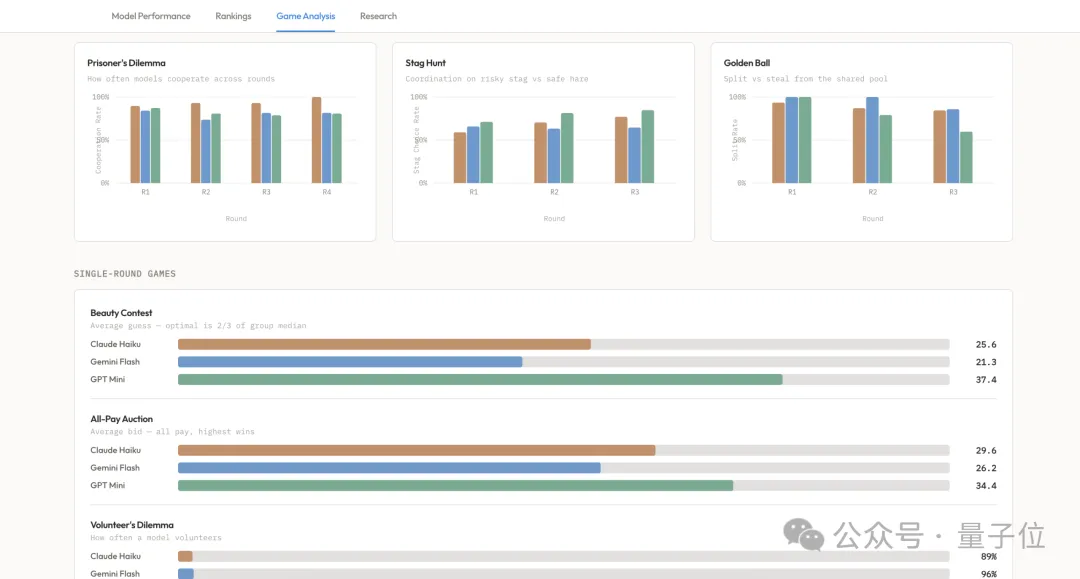
In the Atypica scenario, by having real people and AI personas complete the same economic behavior experiments, the differences between the two can be quantified to calibrate the simulation effects, which can then feed back into model training and optimization.
Quantum Bit mentioned a result during its coverage at WAIC in July this year: the accuracy of the subjective world model in behavioral simulation reached 85%.
Of course, this kind of simulation and benchmark is essentially still a calibration tool; they can allow research and validation to happen earlier but cannot replace the real human research itself.
Beginning of Agentic Transformation
What kind of mechanism is needed for intelligent agents in enterprises to truly operate?
Once the foundation is laid, how can the mechanism be made to truly function?
The statement given at the forum is that for enterprise intelligent agents to truly operate, they must rotate through a complete closed loop: Signal, Plan, Create, Evals.
- Signal and Evals rely more on the customer world model; they answer: What do users care about now, and do customers actually buy what is produced?
- Plan and Create rely more on the enterprise world model; they answer: Can this be done within the organization, given the resources, processes, and constraints?
This actually corresponds to the difference between enterprise intelligent agents and the previous generation of Copilots.
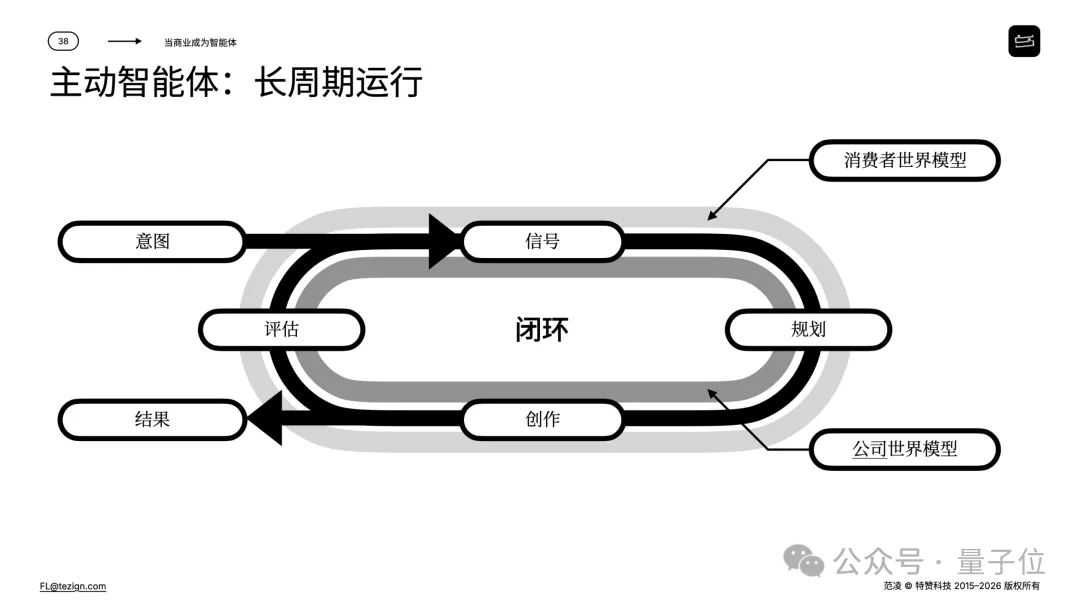
Copilot is more like a tool that is called upon once: you ask, it answers; you open a task, it gives you a result.
But what enterprises truly need is not such an intelligent agent. It is long-range, can run continuously, must enter workflows, and retain goals, states, and feedback across time, rather than starting from scratch each time.
Fan Ling said in his speech:
The intelligent agent pushes the work to 80 points, and then humans take it from 80 points to 120 points.
The important aspect of this statement is not the two numbers “80” and “120,” but that it redefines the division of labor between humans and intelligent agents.
The two are not in a substitutive relationship but rather in a misaligned division of labor: AI is responsible for pushing forward a large amount of tokenizable work, while the truly valuable contributions of experts still lie in that final segment of high-density judgment.
Putting these clues together, enterprise-level AI has entered a new stage, and the “two world models” actually express this capability within the enterprise architecture:
One set understands the external, one set understands the internal, with a long-range intelligent agent running in between that can continuously push forward.
It is worth mentioning that Tezign simultaneously launched the Agentic Transformation Co-construction Plan at the WTCC forum, bringing in universities, research institutions, enterprises, model and technology partners, and professional practitioners, for a simple reason: this path has not yet been fully validated, and many questions do not have ready-made answers, so they can only grow through open collaboration.
Rather than focusing on “how to use AI,” Tezign attempts to answer another more difficult question through a co-construction approach:
If enterprises want to turn their judgments into an accumulable asset, what should be the first step?
(Source: QbitAI| WeChat Official Account QbitAI)
Category
Media & Press
Date
2026-10-23
Read Time
9 min read
Related Recommendations

Wenhui Daily | Breaking the 'Solow Paradox' in the AI Era, Tezign Technology Launches Smart Transformation Co-construction Plan

Founder Park | Personal AI's 'Intent Capture' that Everyone is Talking About May Be What Enterprise Agents Need Most Today